This article contains Amazon affiliate links. If you purchase through our links, we may earn a commission at no additional cost to you.
Introduction
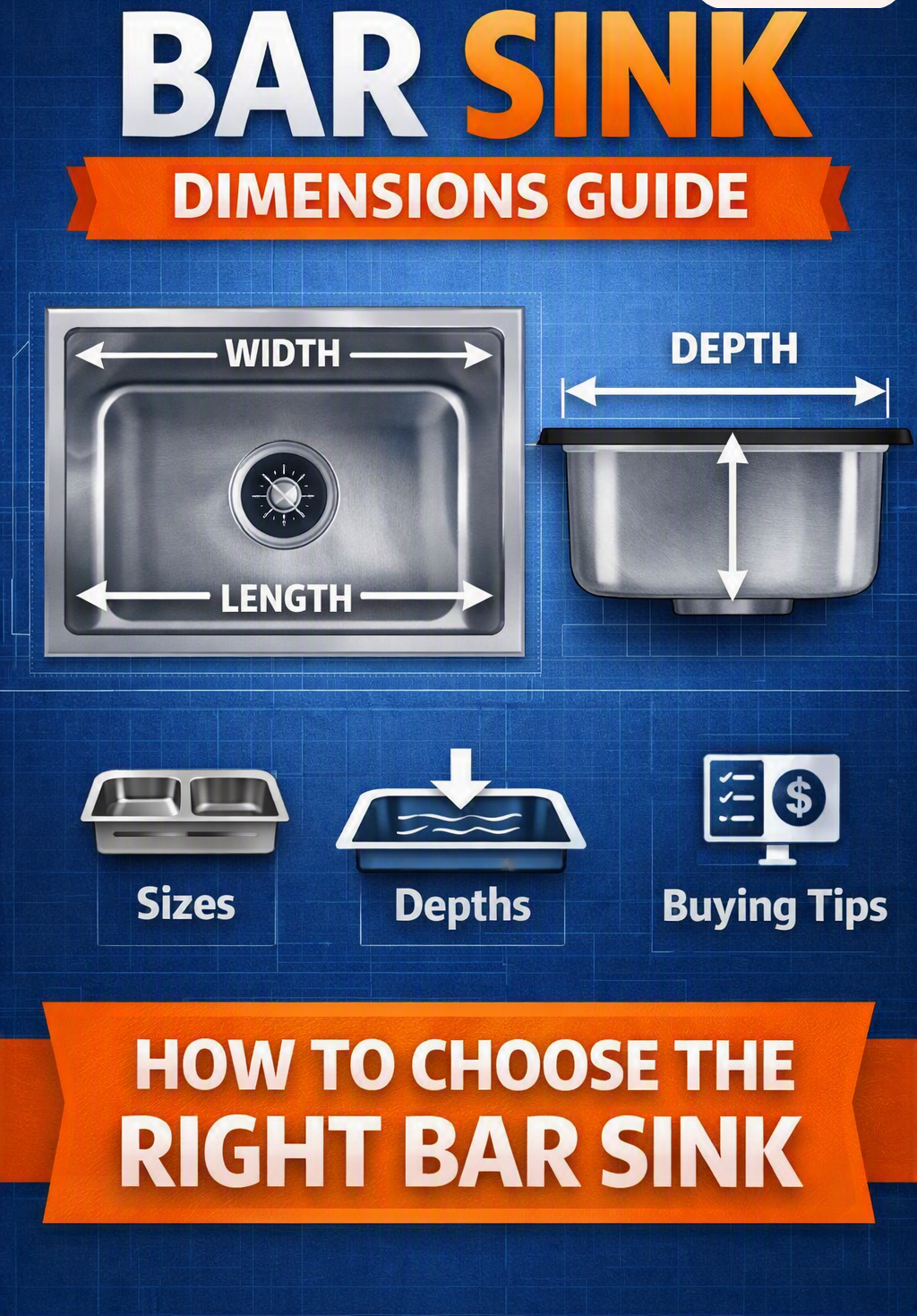
When planning a home bar, compact kitchen, or even a restaurant setup, one of the most overlooked details is the bar sink dimension. A bar sink may be smaller than a standard kitchen sink, but its size directly affects usability, installation, and style. The right dimensions ensure your sink fits seamlessly into your cabinet and countertop while providing enough depth for rinsing glasses, prepping drinks, or handling light food tasks.In this guide, we’ll explore standard bar sink sizes, depths, styles, and installation options. You’ll also find practical tips, common mistakes to avoid, and highlighted product recommendations from Amazon to help you choose the perfect bar sink for your space.
Why Bar Sink Dimensions Matter
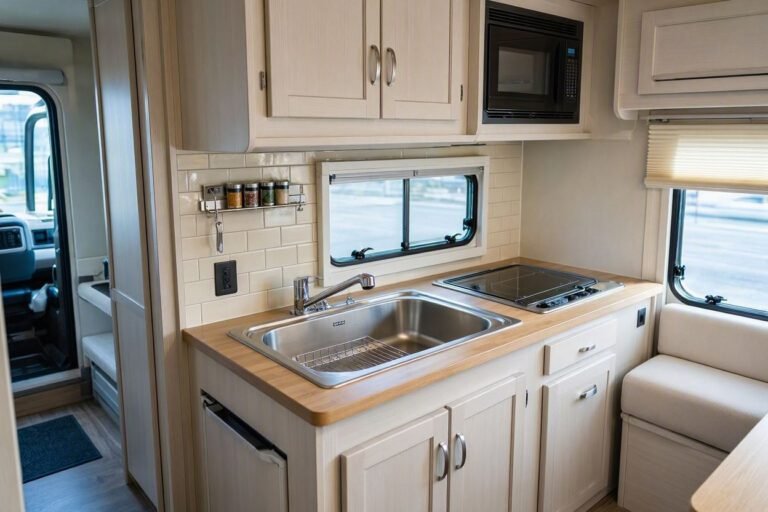
A bar sink is a practical choice for home bars, compact kitchens, apartments, RVs, entertainment areas, and prep stations. Choosing the right dimensions helps ensure the sink fits your countertop, cabinet, plumbing, and intended use.
Before buying, consider more than the sink’s overall width. Bowl depth, cabinet size, countertop cutout, mounting style, and faucet clearance can all affect whether a sink is suitable for your space.
What Is a Bar Sink?
A bar sink is a compact sink designed primarily for secondary tasks such as rinsing glasses, washing small items, preparing drinks, or handling light food preparation.
Bar sinks are commonly used in:
Residential Bar Sinks
Residential bar sinks are usually compact, single-bowl models. They are available in different shapes, including square, rectangular, and round designs.
Commercial Underbar Sinks
Commercial underbar sinks are designed for food-service and beverage-service environments. They are commonly made from stainless steel and may have multiple compartments or additional features depending on the application and local requirements.
Wet Bar vs. Dry Bar
A wet bar has plumbing and typically includes a sink. A dry bar generally provides counter and storage space without a connected sink.
Standard Bar Sink Size Ranges
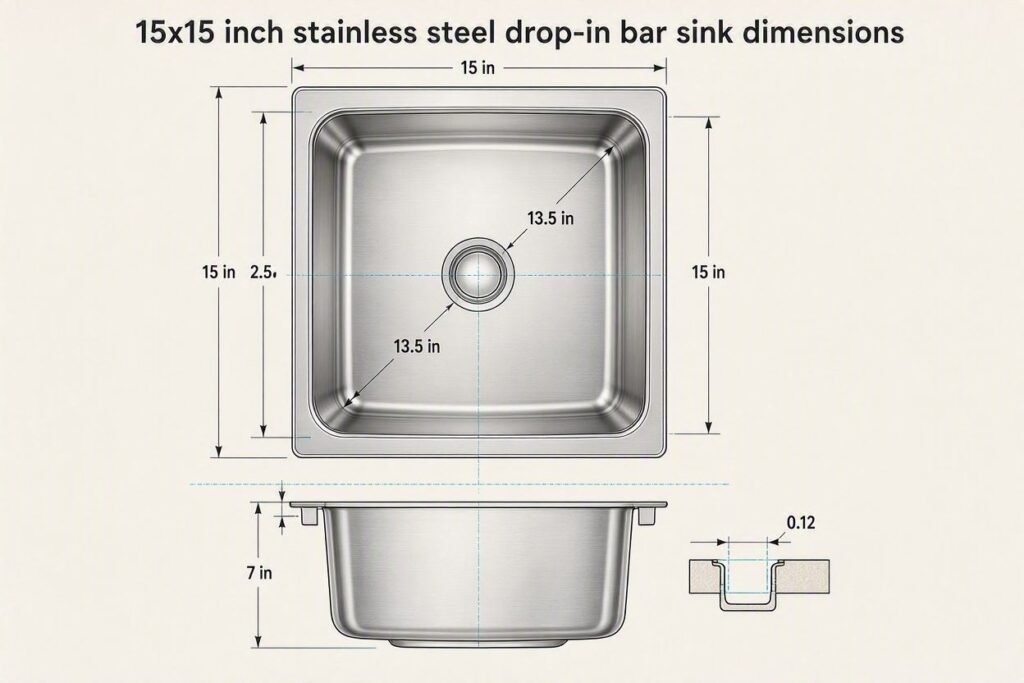
Bar sink dimensions vary by manufacturer and design, but the following ranges can help when planning your space.
| Bar Sink Type | Typical Size Range | Common Depth | Typical Use |
| Home bar sink | About 12–18 inches wide | 6–8 inches | Rinsing glasses and light tasks |
| Round bar sink | About 9–18 inches diameter | 5–8 inches | Small bars and compact spaces |
| Undermount bar sink | About 14–18 inches long | 6–8 inches | Modern countertops and islands |
| Commercial underbar sink | 15–25+ inches long (varies) | 7–10 inches | Beverage and food‑service applications |
These are general ranges rather than universal standards. Always check the manufacturer’s specifications before purchasing.
How Deep Should a Bar Sink Be?
A bar sink is often shallower than a standard kitchen sink. A depth of around 6–8 inches can be practical for everyday bar tasks such as rinsing glasses and washing small items.
A deeper basin may be useful when you regularly wash larger items, but excessive depth can make the sink less comfortable to use and may require additional space underneath the countertop.
Consider your main purpose:
– 5–6 inches: Suitable for very light tasks and compact installations
– 6–8 inches: A practical range for many residential bar sinks
– 8–10 inches: More useful for larger items and some commercial applications
The best depth depends on your available cabinet and plumbing space as well as how you plan to use the sink.
Bar Sink Styles and Materials
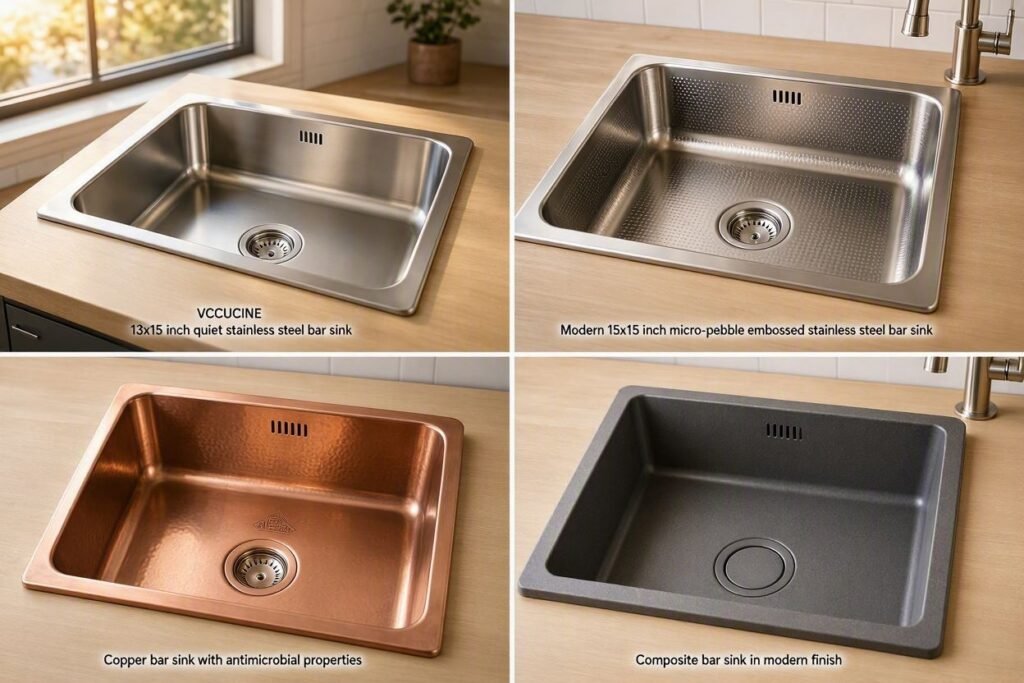
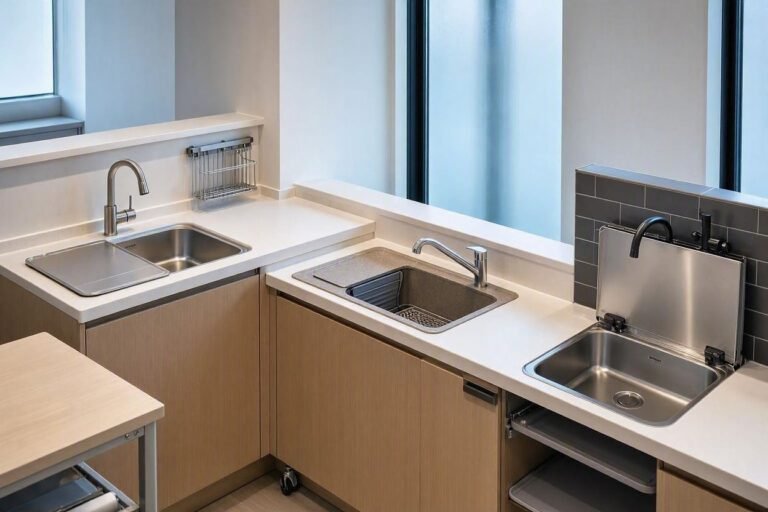
Drop-In Bar Sinks
Drop-in sinks sit on top of the countertop and are generally straightforward to install. The visible rim rests on the countertop and helps support the sink.
They can be a convenient option for renovations where you want a relatively simple installation.
Undermount Bar Sinks
Undermount sinks are installed beneath the countertop. They provide a clean, streamlined appearance and make it easier to wipe debris directly into the basin.
However, they require an accurate countertop cutout and a suitable countertop material.
Apron-Front Bar Sinks
Apron-front designs feature a visible front panel and can create a distinctive farmhouse-style appearance. They may require more careful cabinet preparation than standard drop-in models.
Stainless Steel
Stainless steel is one of the most common materials for bar sinks because it is durable, relatively easy to maintain, and corrosion-resistant.
Copper
Copper sinks can provide a warm, decorative appearance and naturally have antimicrobial properties. However, copper can change appearance over time and may require more maintenance than stainless steel.
Composite
Composite sinks can offer a modern appearance and are available in different colors and finishes. Their resistance to scratches, stains, and heat varies by material and manufacturer.
Bar Sink Dimensions for Commercial Use
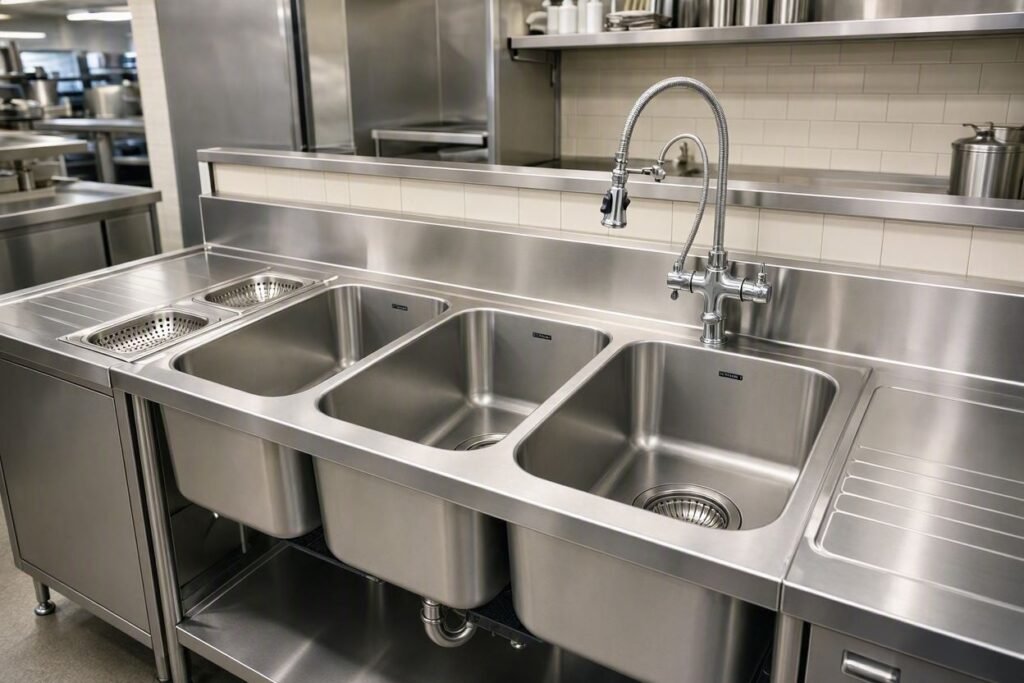
Commercial bar and underbar sinks can have different requirements from residential models.
Multiple Compartments
Some food-service operations use multi-compartment sinks for separate washing, rinsing, and sanitizing processes. However, exact requirements depend on the type of operation and applicable local health regulations.
Stainless Steel Construction
Commercial sinks are commonly made from stainless steel because it is durable and relatively easy to clean. When comparing commercial models, check the manufacturer’s material specifications rather than relying only on the advertised gauge.
Accessibility Considerations
If a commercial sink will be installed in an area subject to accessibility requirements, check the applicable local building and accessibility standards. Required clearances, mounting height, and knee or toe space can depend on the specific installation.
For commercial projects, verify requirements with the relevant authority or a qualified professional before purchasing.
How to Choose the Right Bar Sink Size
Choosing a sink based only on its advertised dimensions can lead to installation problems. Check these measurements before ordering.
1. Measure the Cabinet
Measure the cabinet’s inside dimensions, not just its outside width. The sink manufacturer’s minimum cabinet-size requirement is particularly important.
2. Check the Countertop Space
Make sure the sink leaves enough room around the basin for the faucet, backsplash, countertop edges, and other fixtures.
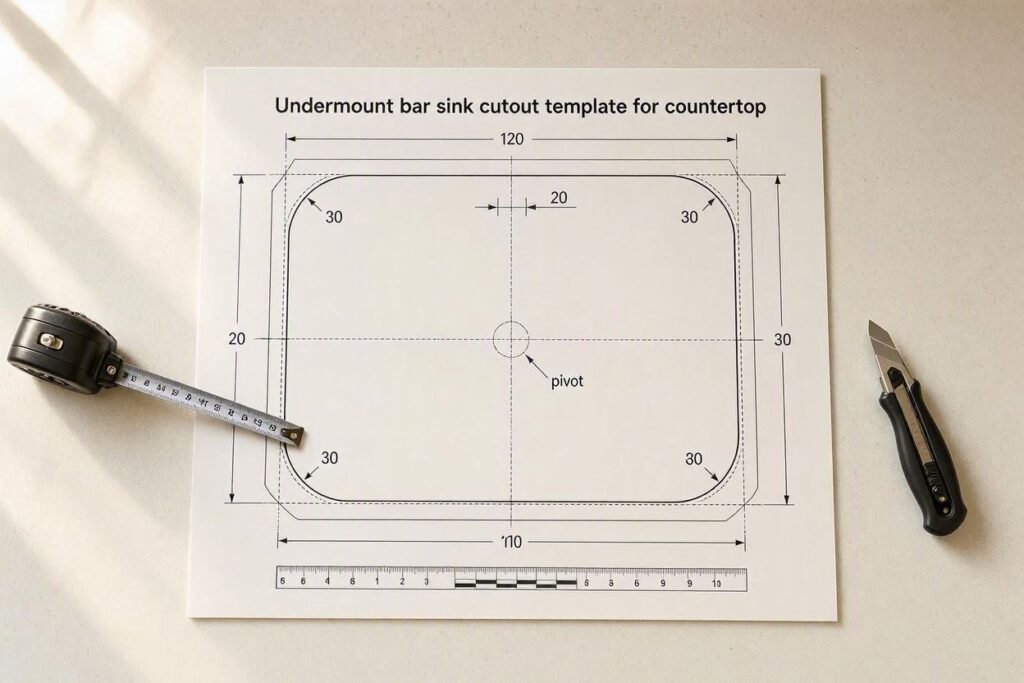
3. Confirm the Cutout Dimensions
A sink’s overall dimensions and countertop cutout dimensions are not always the same. For drop in and undermount installations, use the manufacturer’s installation template whenever one is provided.
4. Consider Bowl Depth
Think about what you will wash in the sink. A shallow basin may work well for glasses and drinks, while a deeper basin can provide additional space for larger items.
5. Check Plumbing Clearance
Don’t forget the space underneath the sink. Drainpipes, water lines, garbage disposals, and other plumbing components need adequate clearance.
Accessories and Add-Ons
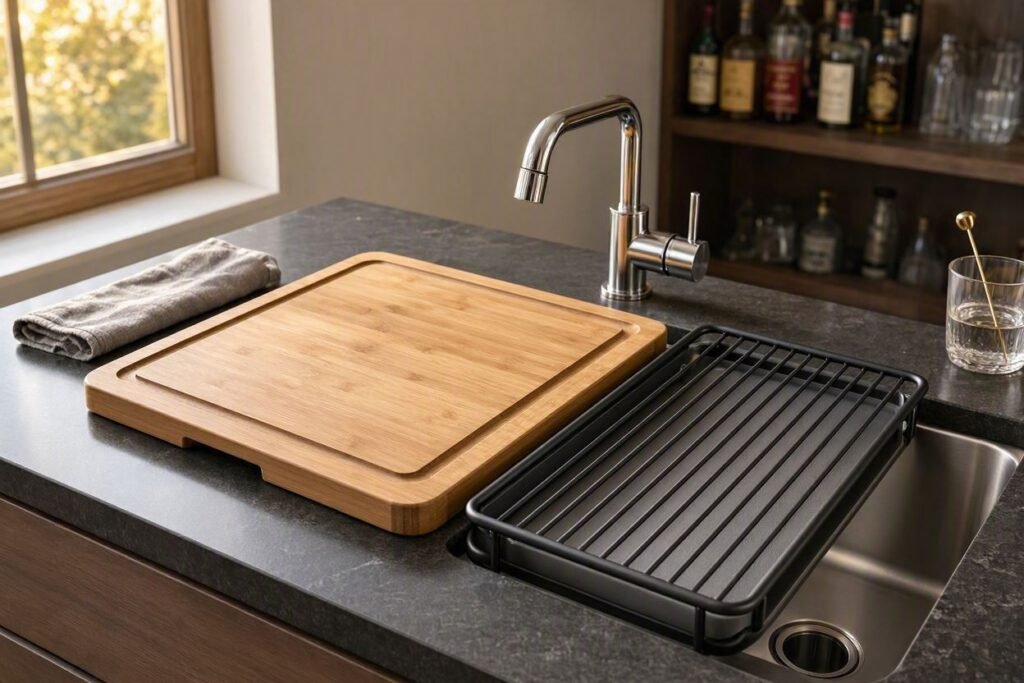
The right accessories can make a compact bar sink more useful.
Compact Faucets
A short or swivel faucet can provide better clearance in a small installation. Make sure the faucet reach and height work with the sink basin.
Cutting Boards
Some workstation-style sinks accept cutting boards that sit over part of the basin, creating additional preparation space.
Drying Racks
A fitted drying rack can provide a convenient place for glasses and small dishes while keeping the countertop clear.
Colanders
A sink-compatible colander can make rinsing fruit, vegetables, and other small items easier.
Always check that accessories are compatible with the exact dimensions of the sink.
Common Bar Sink Installation Mistakes
Choosing the Sink Before Measuring
One of the most common mistakes is purchasing a sink before confirming the cabinet, countertop, and cutout dimensions.
Solution: Measure first, then compare the measurements with the manufacturer’s specifications.
Confusing Overall Size With Cutout Size
A 15-inch sink does not necessarily require a 15-inch countertop opening.
Solution: Use the manufacturer’s cutout dimensions and installation instructions.
Ignoring Cabinet Clearance
A sink may fit the countertop but still interfere with the cabinet, plumbing, or drawers below.
Solution: Check the complete installation space before buying.
Using the Wrong Sealant or Installation Method
Different sink types require different installation methods.
Solution: Follow the manufacturer’s installation instructions and use compatible clips, sealants, and mounting hardware.
Choosing a Sink That Is Too Deep
A deeper basin is not always better in a compact installation.
Solution: Consider your plumbing clearance and how you actually intend to use the sink.
Bar Sink Buying Checklist
Before purchasing a bar sink, check:
Key Takeaways
Choosing the right bar sink is about more than finding a compact basin. You should consider the sink’s overall dimensions, bowl depth, cabinet requirements, countertop cutout, mounting style, and intended use.
For residential applications, compact sinks around 12–18 inches are common, but dimensions vary considerably between models. Commercial installations require additional attention to construction, installation requirements, accessibility, and applicable local regulations.
Most importantly, check the manufacturer’s specifications before purchasing. The advertised sink size alone does not tell you whether the model will fit your cabinet or countertop.
Conclusion
Bar sinks can add useful functionality to home bars, compact kitchens, islands, RVs, and commercial beverage areas. The right model should provide enough basin space for your needs without creating installation or clearance problems.
Before buying, measure your available space, check the manufacturer’s cabinet and cutout requirements, consider the appropriate bowl depth, and verify any commercial requirements that apply to your installation.
As an Amazon Associate, I earn from qualifying purchases at no additional cost to you. Product specifications, availability, customer ratings, and other details can change, so always verify the latest information on the product page before
Frequently Asked Questions
What is a standard bar sink size?
There is no single universal bar sink size. Residential models commonly fall within compact ranges of roughly 12–18 inches in width or diameter, while commercial models can be considerably larger.
How deep is a typical bar sink?
Many residential bar sinks are approximately 6–8 inches deep, although some models are shallower or deeper.
What size cabinet do I need for a bar sink?
The required cabinet size depends on the specific sink. Always follow the manufacturer’s minimum cabinet-size requirement rather than assuming the cabinet only needs to match the sink’s outside dimensions.
Is a bar sink suitable for a small kitchen?
Yes. A compact bar sink can work well in a small kitchen, kitchen island, apartment, RV, or tiny home when the dimensions and plumbing requirements are suitable.
Are bar sinks and prep sinks the same?
They can be similar, but the terms are not always used consistently. Bar sinks are generally designed for compact secondary-use areas, while prep sinks may be designed specifically for food preparation.
learn more about the : Bar Sink Dimensions: Standard Sizes, Depths & Buying GuideHow to Choose the Right Small Kitchen Sink – Complete Guide 2026
Best Sink Options for an 18-Inch Cabinet: Compact, Durable & Stylish Choices

Khadija is the writer and founder of Tiny Sink Solution. She creates practical guides about small kitchen sinks, faucets, and compact kitchen maintenance, helping homeowners and renters choose solutions for limited spaces. Some articles contain affiliate links, and as an Amazon Associate, she earns from qualifying purchases at no extra cost to readers

![Top [count] Gardening Blogs - OnToplist.com](https://www.ontoplist.com/images/ontoplist32.png?id=6aa4d0c493161)
5 Comments